

What We’re Reading

A federal court just told veterans they can’t choose their own help
By Donyale Hall. Read it in the Washington Examiner.
My father served 26 years in the U.S. Air Force. After he retired as a master sergeant, he spent years trying to get the disability benefits he had earned. He died before he could. I have carried that with me ever since, and I have spent years working to make sure other veterans do not face the same wall.
So when a federal judge in North Carolina issued a ruling last month that could make it a crime to pay someone to help you file a VA disability claim, I took it personally. Because it is personal.
On May 20, Chief Judge Catherine Eagles of the U.S. District Court for the Middle District of North Carolina issued a ruling that defines the word “agent” so broadly that almost any paid assistance with a VA claim could be treated as illegal. Under the court’s reading, helping a veteran decide what to claim, gathering supporting documents, or even tracking a mailed packet could constitute unlawful agency under federal law. The veteran can review every page himself and still be told that the person who helped him prepare it broke the law.
You can’t read that statute and come away thinking it covers a veteran’s neighbor helping him fill out forms.
CHOICE Act gives veterans more options when navigating VA claims process
By Patrick McSpadden in Stars and Stripes.
When I retired from the Air Force after 21 years of service, I quickly learned that navigating the Department of Veterans Affairs disability system could be nearly as challenging as some of the bureaucracies I had spent a career working inside. Between medical records, supporting evidence, deadlines, and unfamiliar terminology, the process was far more complicated than I expected.
That is why a recent court ruling involving veterans’ claims assistance deserves a closer look.
The May 20 ruling by a federal judge in North Carolina in Ford v. Veterans Guardian VA Claim Consulting upended the long-standing understanding of who may lawfully provide paid assistance to veterans pursuing VA disability claims, reigniting the debate over accreditation, consumer protection, and veterans’ access to representation.
If the ruling was supposed to solve the challenges veterans face navigating the VA disability system, it missed the mark.
Veterans Earned Their Benefits and Shouldn’t Have to Fight to Access Them
By Irene Watkins in Townhall.
I grew up in a military household. As a daughter and sister of veterans, and someone who made a career working in U.S. military strategy and serving government agencies, I’ve spent my entire life around those who wear the uniform.
That’s why I’m deeply concerned about a recent federal court ruling that affects not only veterans themselves, but the families, doctors, caregivers, and community advocates who help those veterans navigate the VA's complicated benefits system.
A federal judge issued a ruling on May 20th, effectively stating that individuals acting as “agents” in the preparation of veterans’ disability claims must be accredited with the U.S. Department of Veterans Affairs. In this case, the court ruled that consulting firm Veterans Guardian didn’t have the legal authority to assist veterans with preparing and filing VA claims because it wasn’t officially VA-accredited, as federal law requires.
That law exists, in part, to provide veterans free claims assistance through VA-accredited Veterans Service Organizations (VSOs) such as the American Legion, VFW, and county veterans service officers. But perhaps quite concerningly, it also helps the accredited trial attorneys, who make a lot of money handling those claims, by eliminating the competition.
VA’s DOGE Cuts Sting and Will Reduce Efficiency
By Scott Amey. Read it in POGO.
On the day of his inauguration, President Donald J. Trump issued an executive order establishing the Department of Government Efficiency (the United States DOGE Service). Since then, spending has been scrutinized, government offices have been reorganized and staff decimated, a federal hiring freeze was implemented, sensitive data has been shared with temporary government employees, deregulation has begun, and scores of federal contracts and grants have been terminated.1
These changes have caused widespread chaos and uncertainty for federal agencies, civil servants, and entities that rely on federal funding to provide essential services to the public. The Department of Veterans Affairs (VA) has not escaped that chaos, and concerns exist among VA staff about the impact on DOGE’s work inside the agency and the impact it will have on the veterans and the families the agency serves.2
Concerns about service from the VA are only amplified by the agency’s own troubled past — years ago, whistleblowers and watchdogs exposed a lack of oversight and accountability within the agency, and “excessive wait times” that likely resulted in preventable hospitalizations and even deaths.3
An effective government, one that serves its people and its veterans well, must rely on watchdogs and whistleblowers, but oversight is not enough. We also need ethical and transparent governance, wise spending decisions, effective contracting laws, and a strong civil service with expertise in serving the American people. The president’s “DOGE agenda” undermines all of these.4
VA delays mean big paydays for lawyers. Can Congress change that?
By Julie Ferland in the Washington Examiner
The House Appropriations Committee may have finally given veterans and taxpayers the chance to see whether high-priced lawyers are helping service members get Department of Veterans Affairs benefits — or whether they are fleecing everyone for hundreds of millions of dollars.
In late April, committee Members voted 58-0 to approve a fiscal 2027 budget for veterans. There is a lot here for veterans to celebrate, but one of the most important provisions is buried deep in a nearly 100-page report accompanying the bill. On page 29, under the heading, “attorney fees,” the committee directs the VA to deliver a report on “the aggregate costs associated with veterans and dependents obtaining attorney representation in VA appeals.”
A rare moment of unity that Washington can build on
By Ken Sutton in The Richmond Times-Dispatch
The divide between Democrats and Republicans has widened so badly that division is just plain expected. Fights over affordable care, LGBTQ+ rights, and election laws have become so common that we barely even give them a second glance.
So, it was both eye-opening and refreshing last week to see Democrats and Republicans come together in Virginia over at least one important issue: the welfare of our veterans.
On April 13, Gov. Abigail Spanberger of Virginia flexed her leadership and signed into law SB 315, the Safeguarding American Veteran Empowerment (SAVE) Act, which protects veterans by regulating the paid consultants helping them secure disability benefit payments from the U.S. Department of Veterans Affairs.
I’m a veteran. As Congress and the VA falter, we’re stepping up for each other.
By Jeramiah Solven in Stars and Stripes.
Doug Collins, the man in charge at the Department of Veterans Affairs, recently wrote that the VA “means world-class health care coverage” and offers a panoply of benefits and aids for Americans who served. In the Capitol, members of Congress are pushing the CHOICE for Veterans Act, a piece of legislation designed to help veterans navigate the VA claims process more quickly.
I hope these efforts genuinely help veterans. But we don’t have to wait for relief from our struggles. We have always stepped up to help our brothers and sisters in arms, with new innovations, ideas and solutions cropping up every day.
The example that most stands out to me lately is RateYourVSO.com, a new tool that helps veterans evaluate which Veteran Service Organization can best guide them through the often daunting VA benefits claims process. I’m not affiliated with RateYourVSO or with Combat Veterans of America, which runs it. However, people solving problems and helping veterans in concrete ways is always a good thing. The VA has admittedly struggled in the past with accessibility and reform. Veterans remember the wait-list scandal that broke in 2014, when the VA inspector general found “appointment scheduling issues” at 77 VA medical centers, with one facility having “manipulated wait-lists to meet department standards, delaying appointments for veterans.”
Veterans shouldn’t have to worry about lawyers taking their benefits
By Dean Forest in The Blaze.
I served in combat with the U.S. Army. Like many veterans, I know that men and women who come home carrying the physical and mental costs of war rely on disability payments to maintain mortgages and keep their families afloat. These funds help people rebuild lives that were permanently changed during their years of service and sacrifice.
Navigating the VA's disability system is rarely simple. Many veterans are already coping with serious injuries, mental health challenges, or financial stress as they transition back to civilian life. Confronting a complicated bureaucracy on top of that can feel like fighting another battle — which is why veterans should have access to a range of options for help.
The current system often leaves veterans with limited options, partly because when disability claims are delayed and pushed into drawn-out appeals, attorneys are allowed to collect a percentage of the veteran’s eventual award. The longer the process drags on, the larger the payout.
The Department of Veterans Affairs paid $394.7 million to accredited attorneys over the past year — money taken directly from veterans who fought to earn those benefits. The CHOICE Act (H.R. 3132) would help ensure that those benefits stay with the veterans who earned them, not the lawyers who see them as a payday.
Kansas can lead the nation on helping veterans access benefits
By Todd Tiahrt in The Wichita Eagle.
Kansas has long prided itself on being a state that stands behind its veterans. From tax relief to employment preferences and outdoor access benefits, Kansans have consistently supported those who served.
That commitment reflects a simple belief: when men and women step forward to defend this country, we owe them not just gratitude, but results. Yet for many veterans, securing the Department of Veterans Affairs disability benefits they have earned remains far more difficult than it should be.
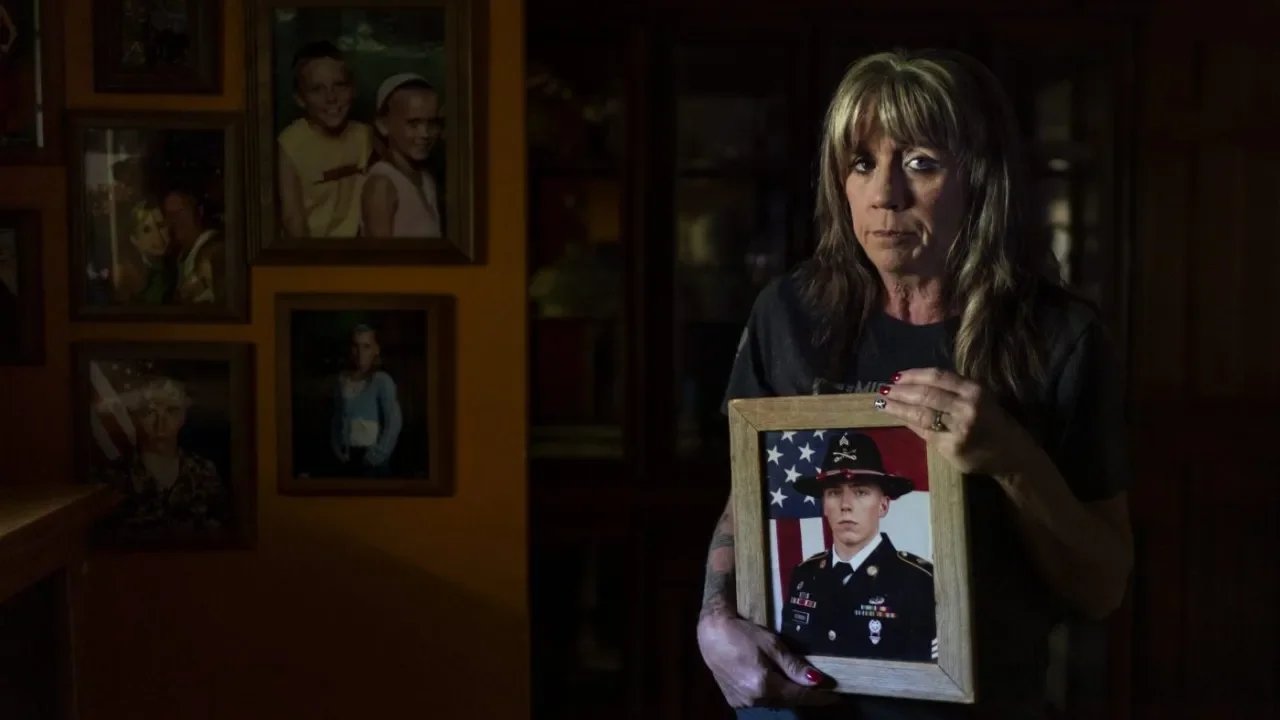
Cutting veterans’ suicide prevention in the name of efficiency is a fatal mistake
By Russell B. Lemle. Read it in The Hill.
Earlier this month, in alignment with directives from President Trump’s Department of Government Efficiency, Secretary Doug Collins announced his intention to eliminate over 70,000 positions from the Department of Veterans Affairs. For emphasis, he pointedly added, “So get used to it.”
Collins quickly signaled what he plans to cut. During a speech for the American Legion, he criticized the billions spent on suicide prevention efforts, noting that the yearly veteran suicide number — roughly 6,500 — has barely changed. In a follow-up interview, Collins repeated his indictment of VA suicide prevention, and declared that the “programs and operations have serious vulnerabilities for fraud, waste and abuse.”
Collins has a willing partner in Rep. Mike Bost (R-Ill.), chairman of the House Veterans Affairs Committee. In a recent blistering letter to the VA, Bost wrote, “It is unfathomable that the mental health budget has increased by billions of dollars each fiscal year, yet the suicide rate, tragically, has not budged.”
Bost’s and Collins’s framing of these topline statistics flagrantly disregards how VA’s suicide prevention efforts have effectively and efficiently produced life-saving advances.
Veterans’ 2026 Priorities Put Health Care, Suicide Prevention to Congress
By Haley Fuller. Read it in Military.com
As Congress returns for 2026, veterans’ advocates are pressing lawmakers to focus less on slogans and more on execution. That argument sits at the center of the non-partisan nonprofit, Mission Roll Call, which says it “amplifies the voices of veterans and their families” by using digital polling to capture what people actually need, including those who do not belong to traditional veterans’ organizations.
The group says it has reached more than 1.3 million veterans and supporters and built its agenda around recurring survey feedback rather than leadership-driven priorities.
Jim Whaley, a retired U.S. Army lieutenant colonel who served as a Master Army Aviator, now leads the organization and describes its value proposition in blunt terms: speed, scale, and fidelity. In an interview, he said Mission Roll Call collects responses “unfiltered” and then shares what it hears directly with policymakers and the media, without routing those opinions through layers of internal committees.
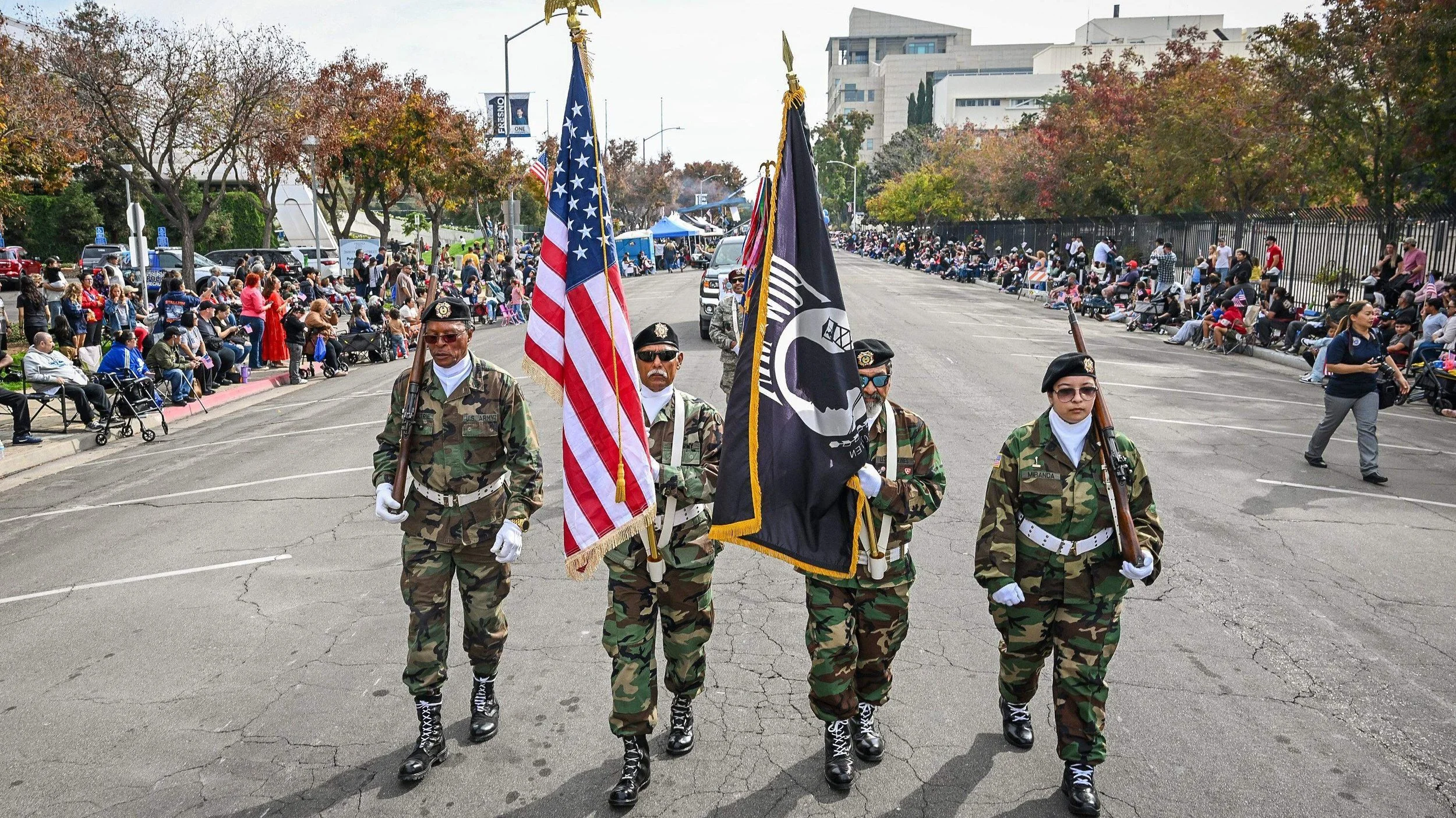
Stripping California veterans’ lifeline for benefits? Think again
By Donyale Hall in The Sacramento Bee
My father came from humble beginnings in the farmlands of Floyd County, Virginia. As soon as he turned 18, he joined the U.S. Air Force, which shaped 26 years of his life. After my father was honorably discharged as a master sergeant, he moved to Delaware, where he spent years trying to claim the veteran disability benefit checks he had earned.
Like many veterans who gave their lives to military service, he passed away before he could succeed. I’m concerned this sad outcome will happen to many California veterans.
Another Battle for Veterans: Surviving Even More Bureaucracy
By Armando Castro in SD Rosta
When I came back from Afghanistan, I thought the worst was over. But figuring out how to claim my veterans’ benefits turned out to be another war, one fought with confusing forms, unanswered calls, and endless delays.
For months, I tried to handle it all myself. I called the Department of Veterans Affairs (VA) offices, and most of the time, no one answered. I sent in documents, only to be told later they couldn’t find them. Every step seemed designed to wear you down.

VA puts veterans like me last. California law will ensure we're left behind.
By Jeramiah Solven in USA Today
I recently got some good news: The Department of Veterans Affairs finally acknowledged my combat-related post-traumatic stress disorder, a step that will help me get treatment to move forward into the next stage of my life.
The bad news is that it took me more than five years, hundreds of hours and thousands of dollars to get this far. But I’m one of the lucky veterans who navigated the morass of bureaucracy by working with a private company – a resource that could go away for California’s 1.5 million veterans if state lawmakers pass Senate bill 694.
SB 694 Moves California Backward on Veterans
By Irene Dana in DC Journal
California has long been a pioneer in caring for veterans. In 1921, it created a home loan program to help those who served in World War I—more than two decades before the federal VA loan existed. That single policy meant opportunity, dignity and stability for generations of veterans and their families.
That’s why Senate Bill 694, now before the California Senate, is so concerning. Rather than building on that proud legacy, it would restrict who veterans can turn to as they navigate the maze of the Department of Veterans Affairs by banning private consultants entirely, instead of regulating bad actors and placing safeguards so veterans don’t get scammed. For the 1.5 million veterans who call California home, this isn’t progress—it’s a step backward at the very moment when they need better options.
Reject California Senate Bill 694: Don’t deny military families the options they deserve
By Julie Ferland in Stars and Stripes
If there’s one thing Americans can agree on, it’s that their local, state and federal government should protect citizens from exploitation and scams. I also believe all levels of government can do a lot more to help vulnerable populations, especially veterans who have some of the highest rates of homelessness and mental health symptoms after serving our country. Proponents of California Senate Bill 694 say the bill will do just that — protecting military families like mine from exploitation. But the reality is that it will lead to more harm and fewer veterans getting the help they need, in two ways.

California’s SB 694 will hurt the veterans it’s trying to protect
By U.S. Air Force Captain Wayne Smith (ret.) in The Center Square
California lawmakers are considering SB 694, which they say will help veterans. But the bill may actually prevent more veterans accessing hard-earned benefits from the Department of Veterans Affairs.
I am a Vietnam veteran who spent more than five years in the same prison camps as former Sen. John McCain. Like other “Hanoi Hilton” prisoners, I was beaten and tortured. I also passed food to keep others alive and tapped messages out through the walls so we could remember we were still human.

New legislation threatens California veterans' support systems
By Adriana Castañeda in The Sacremento Bee
When I served in the U.S. Army’s 1st Cavalry Division during Operation Enduring Freedom and later in the Air Force working in logistics, I learned firsthand the importance of getting complex processes right. One slip — one mistake in documentation — can delay a mission or keep help from those who need it.
The same goes for veterans seeking benefits from the U.S. Department of Veterans Affairs (VA). The process is so demanding that just one incorrect word or missing form can stall a claim for months. That’s why so many of us turn to trusted, knowledgeable experts for help.
VFW had a seat at the table. Now they’re trying to flip it.
By Rep. Jack Bergman (R-MI) in The Hill
Too many of America’s disabled veterans continue to struggle to access the VA disability benefits they’ve earned. The consequences are stark: 33,000 veterans are homeless, and an average of 17 die by suicide each day. While the Trump administration has made incredible strides in cutting the VA claims backlog by 25 percent since January, Congress must take further action to ensure that our veterans no longer have to fight and claw for the benefits that are often the difference between life and death.

Trump is delivering for veterans, but some are standing in the way
By John “Wolf” Wagner in Stars and Stripes
The Department of Veterans Affairs disability claims process is a critical lifeline for veterans seeking compensation for service-related injuries or illnesses. Its complexity and delays, however, prompt veterans to seek assistance from diverse sources.
As a veteran with decades of military and federal service, throughout the years I’ve viewed Veteran Service Organizations (VSOs) as key allies assisting with such claims, as well as performing other helpful activities.