

Judge Eagles’ veteran decision is wrong
By Ray Nothstine. Read it in The Carolina Journal.
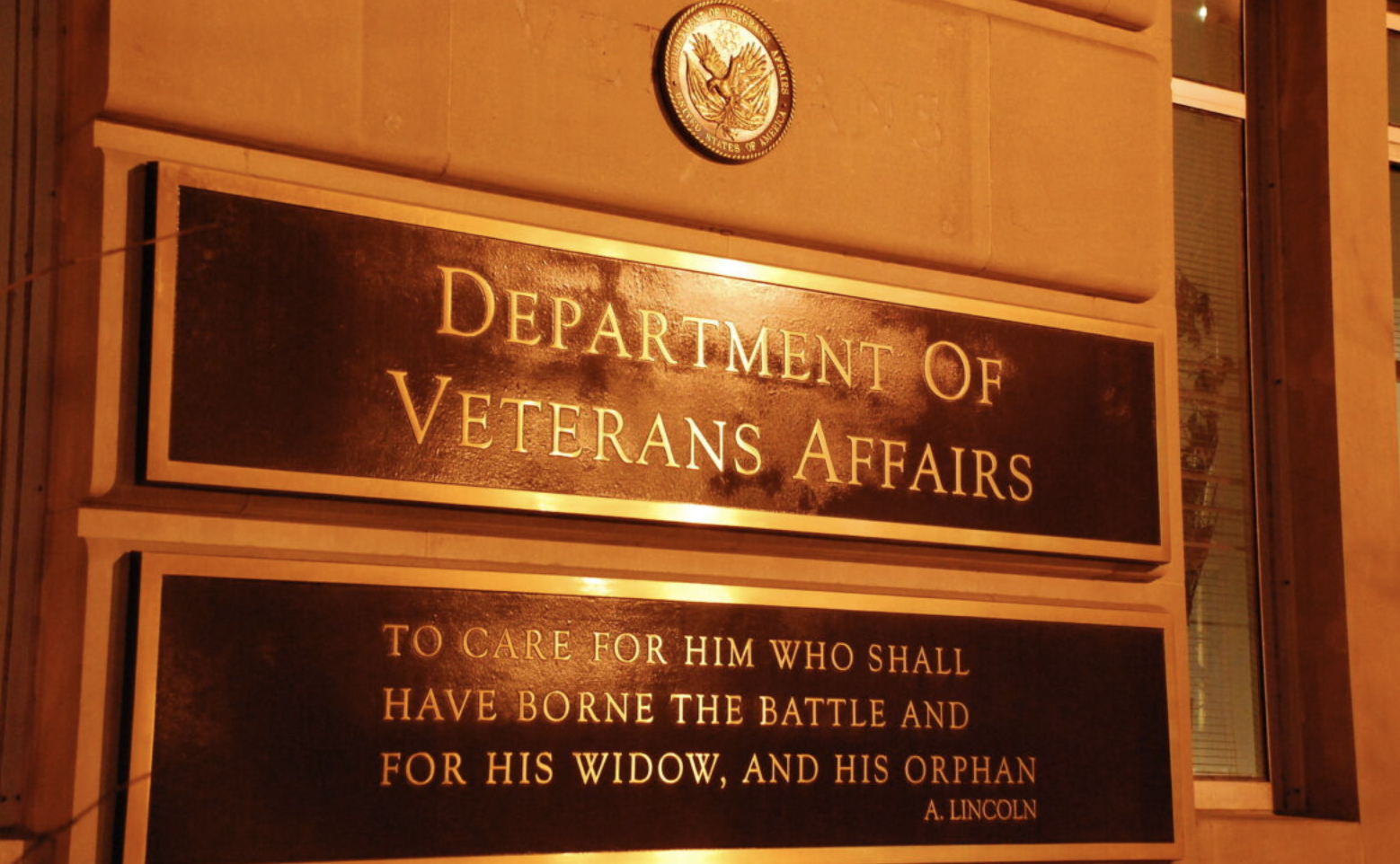
I spent years helping veterans navigate the VA bureaucracy. A North Carolina judge’s decision could put thousands of veterans back in the lines in which they’ve been stuck for too long already.
Earlier this month, Chief District Judge Catherine Eagles ruled that Veterans Guardian VA Claim Consulting acted as an unaccredited agent by charging veterans fees to prepare and file VA disability claims, in violation of federal law. This decision is a major blow to private-sector options that are trying to help veterans move through the VA’s horrid bureaucracy.
I’m sure Eagles was well-intentioned.
But at the end of the day, the VA has fallen short, and longstanding veterans service organizations, such as Disabled American Veterans and Veterans of Foreign Wars, have not always served veterans as effectively within an increasingly complex system.
And the private sector always innovates when new solutions are needed. We saw it with TurboTax, which took on tax services that previously were limited to dealing with the IRS directly or with tax accountants. We also saw it with FedEx and UPS, which took on the mail, when everyone thought before them that the mail could only be handled by the United States Postal Service.
I’ve spent more than a decade in North Carolina policy circles, including North Carolina think tanks, and this decision, while federal, will significantly impact people in this state. There are over six hundred thousand veterans in North Carolina, a population larger than several of the state’s biggest cities combined. And based on my anecdotal experience, the people who use fee-based providers seem satisfied with the decisions and end-results of their claims.
Imagine you’re not a veteran, but a taxpayer on the line with the IRS: the slowness and confusion of bureaucracy, hours spent trying to just pay what you owe, a mistake gets made, yours or theirs, and years later you get hit with a back tax bill. It’s like that for veterans who can’t navigate the VA, except it’s often worse, because they’re dealing with mental or physical injuries. Their families are struggling. They want to make life transitions but can’t, because the care and benefits they were promised when they raised their right hand simply have not been provided.
I’m not a lawyer. But again, speaking as someone who’s helped veterans before, I have to wonder: What if I had a side gig helping veterans, and I charged a small fee for my time and expertise? Could I be fined for that? Under this court’s decision, my single-person effort to provide services that veterans currently aren’t getting well would still need full accreditation, or it would be illegal, regardless of how small my fee was.
My work with veterans was shortly after 9/11, when nobody knew that the War on Terror would leave hundreds of thousands of brave men and women injured and killed — and often put last by their government. This judge put them last again. It’s not right on principle, and it’s especially wrong when better options exist.
Veterans deserve real accountability for anyone handling their claims, but that’s different from deciding that an entire category of help should not exist. It’s up to the government to protect people, and thoughtful guardrails around fee-based providers, like real accreditation standards and fee limits, can do that. Bans, however, are never, ever the right response.
