

America’s veterans deserve a CHOICE
By Juwon Nichols. Read it in the Washington Examiner.
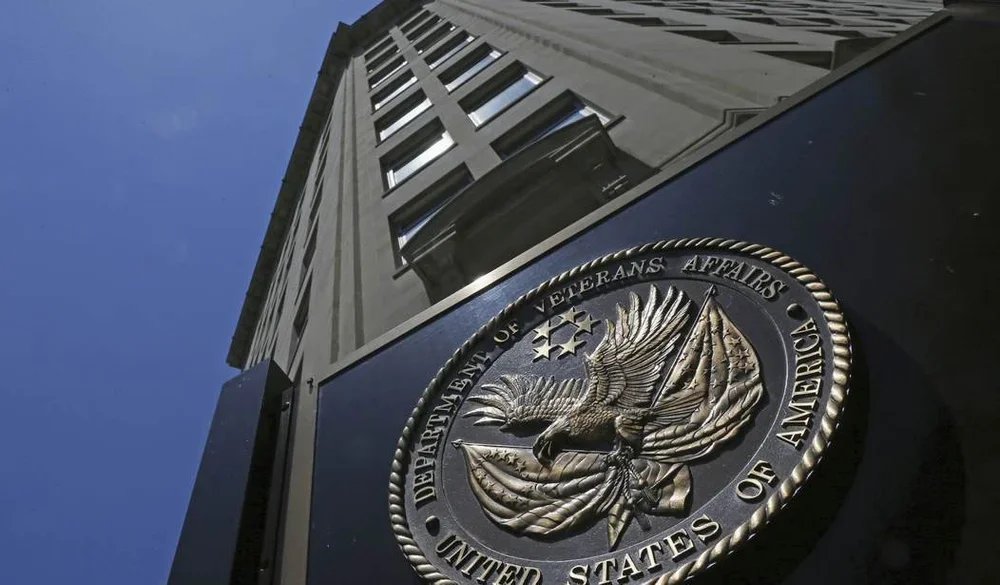
Too often, American veterans return from foreign wars only to find themselves stranded at home. Sometimes, veterans’ longest battle is navigating the VA claims system or attempting to receive assistance from the Veterans Service Organizations (VSOs) created to help them.
I’ve experienced that indifference from both sides of the government. I completed basic training in the Air Force National Guard after 9/11 and provided stateside support to soldiers deployed to Afghanistan and Iraq. During my training, I developed tinnitus from a fall and PTSD from superiors’ racial abuse. I filed for full benefits through the Disabled American Veterans (DAV), and my case drags on, without closure, years later.
I also served as a program manager for the War Department, acting as a civilian liaison coordinating veterans’ care between the U.S. Navy and the Department of Veterans Affairs. I was horrified to see fellow soldiers with traumatic brain injuries, crushed vertebrae, and mental health challenges denied treatment due to bureaucratic red tape or simple inaction.
Unfortunately, these problems continue under VA Secretary Doug Collins. The VA still has a backlog of almost 70,000 claims, and four out of every 10 claims are initially denied.
Many veterans who get approved do not receive the full benefits their conditions warrant. Recent VA statistics show that the agency is most likely to approve new benefits recipients at the 10% level, but the most common level of of disability needed to receive compensation is 100 percent. Soldiers often receive inadequate benefits because they don’t fully understand the application process. That makes sense, since nearly a quarter of higher-level review appeals succeed without new evidence being introduced. It was simply overlooked the first time.
Once admitted, new VA patients still face a mixed bag of treatment. Only 7% of new neurology patients receive an appointment within 28 days. In Dallas, new patients waited an average of 130 days to see a neurologist, an increase of 43 days since the end of the Biden administration. While standard wait times for new patients have improved in some specialty areas, they have worsened for veterans diagnosed with cancer and those who struggle with substance abuse or who require physical therapy.
As this has happened, the VA has focused on meeting arbitrary metrics. Collins responded to DOGE targets by cutting 30,000 employees. Yet he still ended 2025 with more than 45,000 employees over his target.
While the VA focused on statistics for statistics’ sake, the nation’s largest VSO, the Veterans of Foreign Wars, waded into a political battle. The VFW allowed a merchandising company to produce a T-shirt featuring its logo above an image of bureaucrats and members of the press pointing rifles at two U.S. servicemembers. The back says the VFW encourages the government to “honor the contract” by no longer “punishing service” and “removing benefits.”
The provocative image generated instant backlash from the very politicians VSOs need to advocate on their behalf. “The recent inflammatory, fearmongering, and dangerous political rhetoric from the Veterans of Foreign Wars is inappropriate and must end immediately,” said Rep. Mike Bost (R-IL), chairman of the House Committee on Veterans’ Affairs. “[S]uggestions that VA’s dedicated workforce — or the media — or anyone else are actively shooting and punishing servicemembers and veterans is unacceptable and creates a dangerous, politically charged environment that can put lives at risk.” He also criticized the VFW for allowing its logo to appear alongside this image on a third-party company’s product.
Veterans’ organizations should utilize their political capital helping vets, not creating unnecessary conflicts. And the VA should focus on connecting injured soldiers with care, not catering exclusively to metrics.
Federal lawmakers in both parties have exhibited outside-the-box thinking in passing the VA MISSION Act, which gives veterans access to healthcare providers outside the VA system. Now Republicans and Democrats alike should support the CHOICE for Veterans Act, which gives injured vets the option of using outside experts to help file their claims. While veterans shouldn’t have to turn to outside organizations, cases like mine and many others only prove that the current system makes it all too necessary.
America’s veterans won battles against our foreign enemies. Government officials, veterans’ organizations, and outside providers owe it to them to work together and win these heroes the benefits they so bravely earned.
Juwon Nichols is a former lecturer at the University of Southern California’s Dornsife College. He was previously a program manager for the U.S. Department of Defense and a member of the Air Force National Guard.
